Ten Pence Isn't a Budget: The Spin-Speed Maths Behind a 'Cheap' Session
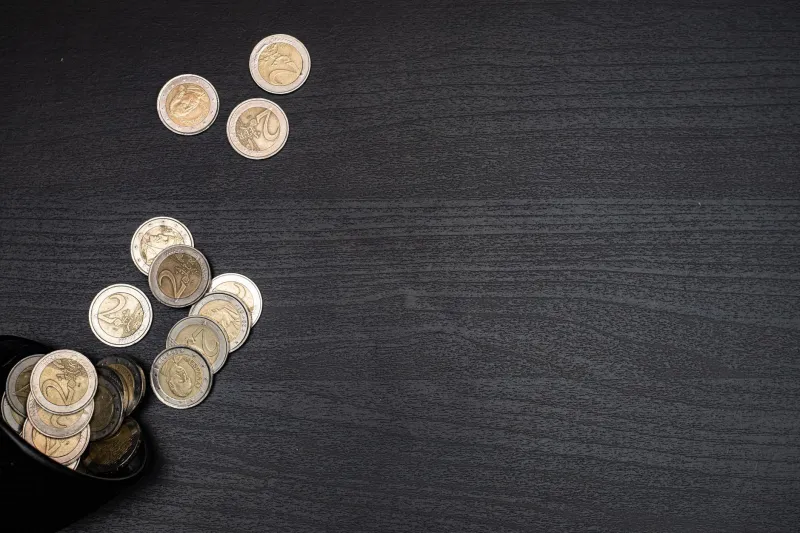
Ten pence does not buy much in 2026. It is not a pint, not a bus fare, not even a decent bag of crisps. That is exactly why 'just 10p a spin' feels harmless. But in a slot session, the stake is only half the story. The other half is how many times you press the button, and how quickly the reels keep inviting you to press it again.
The number that matters is not the stake, it is the spin rate
A 10p stake is a unit of turnover, not the price of an evening. The price is stake multiplied by spins per hour. You do not need a spreadsheet for this, just a phone timer.
- One spin every five seconds: 12 spins a minute, 720 an hour, £72 an hour cycled through the game.
- One spin every three seconds: 20 spins a minute, 1,200 an hour, £120 an hour cycled through the game.
- One spin every two seconds: 30 spins a minute, 1,800 an hour, £180 an hour cycled through the game.
Over 90 minutes, those same three speeds mean £108, £180 and £270 of turnover. That is not the same as losing £180. It is the amount of money passing through the machine while you play. But it is the exposure that your bankroll is sitting inside, and it is the figure a 10p label quietly hides.
Why 'low stakes' can still feel like small change
Small stakes do a clever thing to the brain. Each individual click is easy to justify. Ten pence is less than a chocolate bar. The loss is tiny, the win is tiny, and the next spin is only another ten pence. What gets lost is the rhythm. Fast spin cycles remove the natural pauses that a cash game or a pub quiz gives you. There is no dealing, no waiting, no walk to the bar. There is just another round of the same decision.
That is why 'low stakes' and 'low risk' are not the same sentence. A game can have a low minimum bet and still chew through a budget because the session is long and the spins are quick. The stake is low. The pace is not.
The RTP bit, without the fog
Return to player, or RTP, is usually quoted as a long-run average. A 95% RTP game pays back about £95 for every £100 staked over a very long stretch, in theory. That means an average cost of about £5 per £100 of turnover, not a guarantee that a £20 session will lose exactly £1.
At £120 an hour of turnover, a 95% RTP game has an expected long-run cost of roughly £6 an hour. At £180 an hour, it is roughly £9. Those numbers are useful for perspective, but they are not a cap. Variance means a session can be kinder or harsher than the average, and chasing a bad run can push the stake up without you noticing. RTP is a long-run statistic. Your evening is a short run.
Compare it with an actual night out
A cinema ticket in the UK is often £12 to £15. A pint is commonly £5 to £6.50 in many towns and cities. A cocktail might be £10 to £12. A burger and chips can be £15 to £20. A taxi home is another £15 to £25 depending on where you live. None of that is cheap, but it is visible. You know what you are buying.
A 10p spin session at three seconds a spin can cycle £180 in 90 minutes. You may not lose £180. You may lose £20, or £40, or you may finish up. But if you would not spend £180 on a night out, it is worth asking why £180 of slot turnover feels different. The answer is usually speed, not value.
The pre-session maths you can do on your phone
Before the first spin, time ten spins. If they take 30 seconds, your average is about three seconds a spin. Then use this simple sum: stake × spins per minute × 60. That gives hourly turnover. A 10p stake at 20 spins a minute is £120 an hour. A 20p stake at the same speed is £240 an hour. The stake doubles, and so does the exposure.
Then set limits that match the real number, not the label. A £20 entertainment budget is fine if you also set a time limit. At 10p and three seconds a spin, £20 could be cycled in ten minutes in turnover terms. That does not mean it will be lost in ten minutes, but it does mean the session needs a clock as well as a cash cap.
Useful pre-session habits:
- Set a deposit limit before you open the game, not after a losing run.
- Set a session timer for 30 or 45 minutes and stop when it sounds.
- Turn off autoplay if the game offers it, or avoid quick-spin settings that remove the pause.
- Write down a maximum loss and a maximum time, and treat both as the same limit.
- Keep gambling money separate from bills, rent and savings, and never use credit.
- Check the game's help screen for RTP and volatility if you want context, but do not treat either as a safety net.
The tenner test
Here is a quick reality check. If you had £10 in your hand for an hour of entertainment, what would you expect to get? A couple of drinks, a cinema ticket, a paperback, a bus into town and back. A slot session can cycle far more than £10 in an hour without feeling like it. That gap between what you would spend and what you would cycle is the penny-stake fog.
The fix is not to avoid 10p spins altogether. It is to price them properly. Work out the hourly turnover, set a time limit, set a loss limit, and decide before you start whether the session is worth the exposure. Ten pence can be a cheap way to pass half an hour. It can also write a much bigger bill than the label suggests. At Azzigambling, we are not anti-flutter. We are pro-arithmetic.
If gambling stops feeling like entertainment, take a break. UK players can use deposit limits, loss limits and session reminders, and can find free support through GamCare and BeGambleAware. GamStop is there for a longer self-exclusion if needed. 18+ only.