The Breakfast Statement: What an Instant Casino Deposit Looks Like by Morning
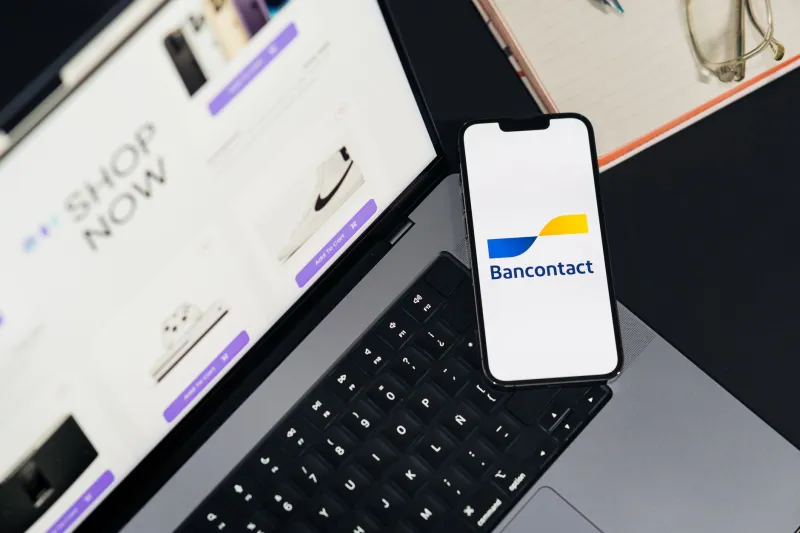
Pay by bank has quietly become the default nudge at a lot of UK casino checkouts. You pick your bank, your banking app opens, you approve with a fingerprint, and the balance moves before you have time to reconsider the kettle. It feels less like gambling and more like splitting a taxi fare. That is the point, and it is also the thing worth examining.
The Checkout That Feels Like a Text Message
Card payments have a certain theatre to them. You type sixteen digits, maybe get bounced to a verification screen, maybe get declined, maybe have to fetch your phone for a one-time code. Pay-by-bank strips most of that out. The casino hands you to your bank, your bank asks if you really mean it, and you tap yes. Done. No card number to memorise, no wallet to top up, no three-digit code from the back of a debit card.
For plenty of people, that is simply a better checkout. It is faster, it avoids card fees on the casino side, and it uses a payment method people already trust. The pitch is familiarity. The effect is a shorter gap between wanting to deposit and having deposited.
That gap matters. Not because speed is wicked, but because friction is a design choice. When a payment method removes a step, it also removes a small chance to change your mind. The sensible response is not to ban the method. It is to notice where the pause used to live and put a deliberate one somewhere else.
The Trail Is Clearer Than You Think
Here is the useful part. A pay-by-bank deposit is a bank transfer, so it tends to leave a plain-language trail in your banking app. You often see the casino name, the amount, and the time. It may sit alongside your grocery shop and your energy direct debit rather than in a separate card-payment list. By morning, the story is right there: how much left, when it left, and how many times you went back.
That is a different kind of mirror from a card statement. Card transactions can arrive with merchant descriptors that mean nothing at a glance. Transfers are usually more direct. Some banks even let you rename a payee or add a note, which is a small feature with a lot of power. Call it what it is. Then you cannot pretend it is something else.
There is a safety wrinkle worth knowing about, too. A card-level gambling block is not the same as a blanket payment block. Since the Gambling Commission banned credit cards for gambling in 2020, debit-card blocks and bank-level gambling controls have become common. But pay-by-bank sits outside the card rails. Whether your bank catches a transfer to a gambling merchant depends on the bank and the block. Check yours before you assume the door is shut. GamStop, likewise, is a self-exclusion scheme, not a payment filter.
Speed Is Not the Villain. The Missing Pause Is.
It is easy to turn this into a morality tale about instant payments. That would be lazy. Instant transfers are genuinely convenient, and convenience is not a character flaw. The question is whether the convenience is working for you or just working.
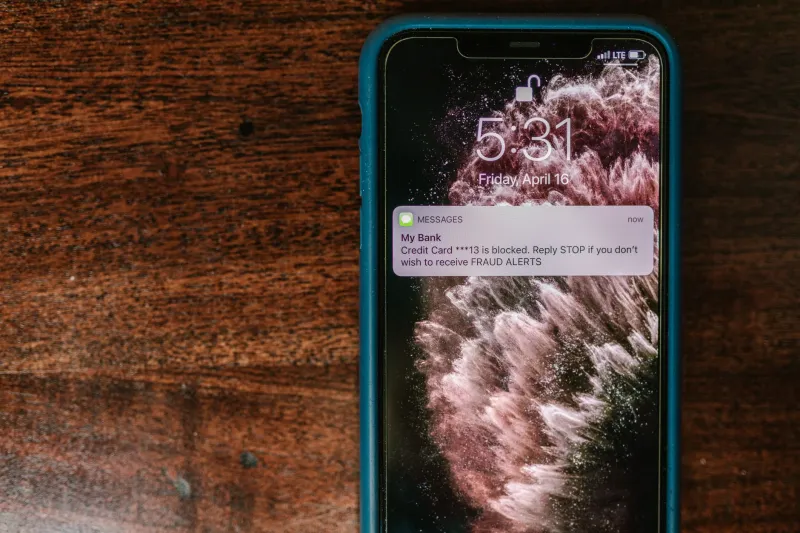
A useful test is the morning-after view. Before you open the news, before you open the casino app again, open your banking app. Look at yesterday. Ask three plain questions. Does the total match what I meant to spend? Did anything go out after the point I said I would stop? Is this the account I use for rent and food, or a separate one I can afford to lose from?
None of those questions require shame. They require a number. If the number is fine, close the app and get on with your day. If the number is not fine, you have caught it early, which is the whole point of a mirror.
Build a Pause You Actually Control
A few small habits can replace the friction that pay-by-bank removed. Use a separate account for casino spending, one without an overdraft and without your bill money in it. Set a weekly transfer into that account and treat it as the whole budget, not a starting point. Turn on banking notifications for outgoing payments so the alert lands while you are still at the checkout rather than at breakfast.
If your bank lets you rename payees, use it. If it lets you set a weekly transfer limit or a spending alert, use that too. Some people find it helpful to delete the saved payee after a session, which turns the next deposit back into a deliberate act rather than a two-tap reflex. Others prefer a cooling-off rule: no deposits after a certain hour, full stop. The method matters less than the fact that you chose it before you needed it.
And if the breakfast statement starts to feel like a regular kick in the ribs, that is information too. GamCare runs a free helpline and chat service for people worried about their gambling. StepChange can talk through money worries without judgement. Your bank can explain what its gambling block actually covers. None of those steps require you to have everything figured out first.
The instant deposit is a mirror, not a mugshot. Used well, it shows you the shape of your week while there is still time to steer it. Used badly, it becomes a source of quiet dread that you avoid looking at. The difference is usually a sixty-second check before the coffee goes cold.